Why is a Gynecologist Offering Treatment for Binge Eating?
As a physician, I spend a great deal of time talking with women about hormones, weight, stress, anxiety, and aging.
One thing I have learned over the years is that many people struggling with binge eating are not lacking willpower.
They are often exhausted.
They are stressed.
They are anxious.
They are sleeping poorly.
They are navigating hormonal changes, emotional challenges, and years of frustration with dieting.
Many have been told to simply “eat less and move more.”
Unfortunately, it is rarely that simple.
Binge eating often involves changes in the way the brain regulates cravings, reward, impulse control, and emotional processing.
That is why I decided to offer EXOMIND®.
EXOMIND® uses advanced ExoTMS™ technology designed to stimulate areas of the brain involved in self-control, emotional regulation, and decision-making. The goal is not to shame people into eating less. The goal is to support healthier brain activity patterns that may help people feel more in control of their eating behaviors.
What Is Binge Eating?
Binge eating involves episodes of consuming unusually large amounts of food while feeling a loss of control over eating.
People often describe:
- Eating rapidly
- Eating when not physically hungry
- Feeling unable to stop eating
- Eating to cope with stress, anxiety, sadness, or boredom
- Feeling guilt or shame afterward
- Repeated cycles of dieting and overeating
Binge eating is common and can affect people of all ages and body sizes.
It is not a character flaw.
It is a complex condition involving emotional, behavioral, and neurological factors.
Why Does Binge Eating Happen?
The brain plays an important role in:
- Impulse control
- Craving regulation
- Emotional processing
- Stress response
- Reward pathways
- Decision making
Stress, anxiety, depression, sleep disturbances, hormonal changes, and chronic dieting can all affect these systems.
For many people, food becomes a coping mechanism.
The problem is not simply hunger—it is often the brain’s response to stress and emotion.
What Is EXOMIND®?
EXOMIND® is a non-invasive treatment that uses ExoTMS™ technology to deliver focused magnetic stimulation to areas of the brain involved in:
- Self-control
- Emotional regulation
- Motivation
- Stress response
- Craving management
- Decision-making processes
Treatment is performed in the office.
No anesthesia is required.
No medications are used.
There is no downtime.
Patients remain awake and comfortable throughout the procedure.
How Can EXOMIND® Help with Binge Eating?
Emerging research suggests that magnetic stimulation of the dorsolateral prefrontal cortex (DLPFC)—a region involved in executive function and self-control—may help improve food-related decision making and reduce cravings. Preliminary EXOMIND studies have shown encouraging results.
In one multicenter review of patients with binge eating symptoms after EXOMIND treatments:
- 74% had no binge eating behaviors at one-month follow-up
- 87% reported improved self-control over eating
- 92% found treatments comfortable and no serious adverse events were reported.
Additional preliminary studies found:
- 100% of participants reported reduced food cravings
- 78% lost weight at one month
- Average weight loss was approximately 5 pounds.
Patients in another study also reported improvements in willpower, self-control, and feeling more in control of their everyday diet following EXOMIND treatments.
While results vary from person to person and additional research is ongoing, these findings suggest that EXOMIND® may become an important non-invasive option for individuals struggling with food cravings and binge eating behaviors.
Hormones, Menopause, and Emotional Eating
Many women notice changes in their relationship with food during perimenopause and menopause.
Hormonal changes may contribute to:
- Increased cravings
- Emotional eating
- Poor sleep
- Anxiety
- Weight gain
- Increased stress sensitivity
- Reduced impulse control
I frequently hear women say:
“I never struggled with my weight before.”
or
“I feel like I can’t stop thinking about food.”
These experiences are incredibly common and are often influenced by changes occurring in both the body and the brain.
EXOMIND® offers a different approach by focusing on the neurological aspects of emotional eating and self-control.
What Does Treatment Feel Like?
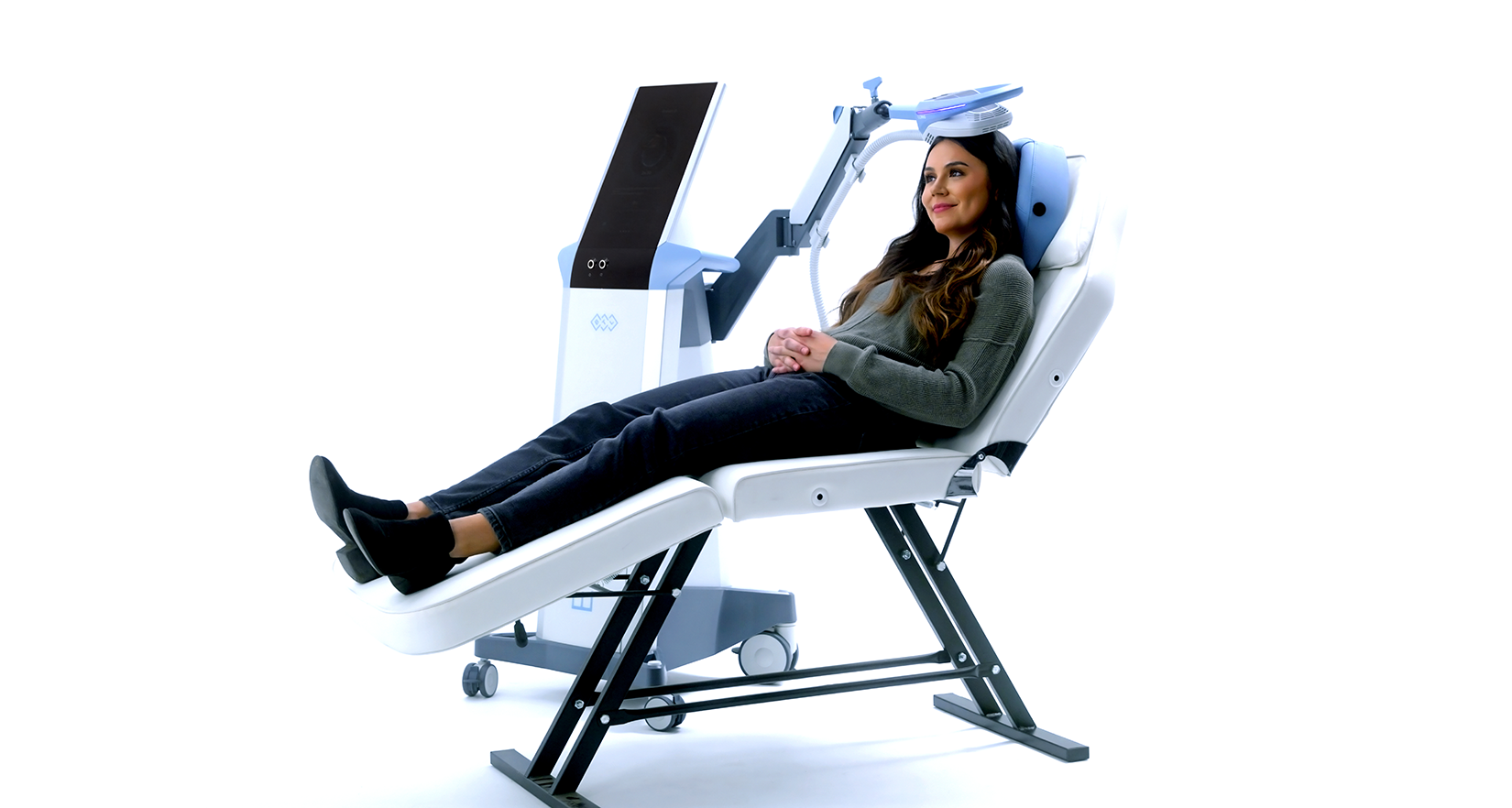
During treatment, patients sit comfortably in a chair while focused magnetic pulses are delivered to targeted areas of the brain.
Most patients describe:
- Gentle tapping sensations
- No pain
- No anesthesia
- No recovery time
- Ability to return immediately to normal activities
Many patients find the sessions relaxing and comfortable.
Is EXOMIND® a weight loss treatment?
No. EXOMIND® is not intended to replace nutrition, exercise, or medical weight management. The treatment is designed to support brain pathways involved in cravings, self-control, and emotional regulation.